
The fascinating journey of gambling through the ages
The Origins of Gambling
The roots of gambling can be traced back to ancient civilizations, where games of chance were prevalent in cultures around the world. Archaeological evidence from as far back as 3000 BC indicates that the Chinese were using rudimentary forms of dice, while ancient Egyptians engaged in gambling practices that involved betting on the outcomes of various games and events. These early forms of gambling were often tied to social and religious rituals, highlighting its significance in the lives of these communities. As you explore various options, consider visiting a crypto casino to enhance your experience.

As societies evolved, so did their approaches to gambling. The Greeks and Romans both embraced gambling as a popular pastime, with evidence suggesting the use of betting on chariot races and gladiatorial contests. This widespread acceptance laid the groundwork for organized gambling, leading to the development of various games that would become staples in modern casinos.
The Medieval and Renaissance Periods
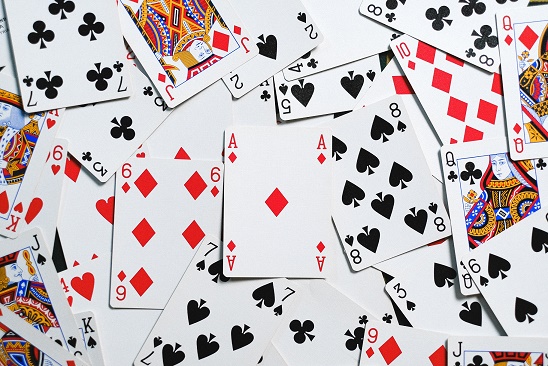
During the Medieval period, gambling remained a favored activity, albeit often viewed with skepticism by religious authorities. Despite this, games like dice and cards gained popularity among the nobility. The introduction of playing cards from Asia around the 14th century provided a new avenue for gambling, leading to the establishment of games that are still played today. The Renaissance brought a revival of interest in arts and culture, and gambling became more structured, with the emergence of betting houses and more formal rules governing various games.
This period also saw the rise of the first legal gambling establishments in Europe, paving the way for the modern casino. By the 17th century, Venice had established a government-sanctioned gambling hall, which not only regulated gaming activities but also highlighted the growing acceptance of gambling as a legitimate form of entertainment.
The Birth of Modern Casinos
The 18th century marked a significant turning point in the gambling landscape, as the first modern casinos began to emerge. The Casino di Venezia, established in Italy, is often considered the first official casino, offering a range of games from roulette to faro. This innovation reflected changing attitudes toward gambling, leading to its recognition as a form of leisure rather than just a vice.
As the 19th century progressed, casinos began to flourish across Europe and eventually made their way to the United States. The introduction of the Monte Carlo Casino in Monaco set a new standard for luxury and elegance in gambling establishments. This era not only transformed casinos into lavish venues but also popularized games like poker and blackjack, which became synonymous with American gambling culture.
The Impact of Technology on Gambling
The 20th century brought profound changes to gambling, primarily due to technological advancements. The invention of the slot machine revolutionized the gaming experience, attracting a diverse audience to casinos. These machines, initially mechanical, evolved into digital formats, enhancing the overall appeal and accessibility of gambling.
Your Journey in the Modern Gambling World
Today, gambling is a multi-billion-dollar industry, blending tradition with modern technology. The rise of cryptocurrencies has further changed the game, offering players enhanced privacy and faster transactions. With a plethora of options available, from traditional casinos to innovative online platforms, players have more choices than ever before.
As you embark on your gambling journey, it’s essential to stay informed and make educated decisions. With comprehensive guides and reviews available, players can find reputable platforms that prioritize security and user experience. Embrace the excitement of gambling while ensuring your experience is both enjoyable and responsible.
“`